
Table of Contents
- Key Takeaways
- Why Proper Drainage Matters
- a. Structural Integrity
- b. Healthier Living
- c. Financial Savings
- d. Property Value
- e. Landscape Preservation
- Essential Drainage Systems
- Surface Systems
- Subsurface Systems
- The Unseen Influence
- Soil and Geology
- Climate and Weather
- Get The Right Drainage For Your Home With Us
Just a quick note on the importance of proper drainage in residential construction. It stops problems like foundation cracking, mold growth, and soil erosion, all of which result in expensive repairs. In New Orleans, where much of the city sits at or below sea level and relies on a network of pump stations to manage water, drainage is not optional. It is essential. By implementing effective drainage solutions such as proper grading, gutters, and French drains, we assist in controlling the water.
This protects your home, extends its life, and keeps it structurally sound. Let our team assist you in getting the right drainage system. Call us at Big Easy Contractors or visit our homepage to learn more.
Key Takeaways
- Drainage is very important not only to prevent structural damage, but also to prevent your foundation and soil erosion. Good drainage protects houses for years, and in a city like New Orleans, it is one of the most critical construction considerations.
- Good drainage makes your home healthier by lessening mold, dampness, and health risks associated with stagnant water. This is especially important in the humid Gulf Coast climate, where standing water attracts mosquitoes and promotes mold growth.
- Getting the drainage right from the start saves homeowners thousands in repair and maintenance costs. It shields those prized possessions, such as your furniture, appliances, and landscaping, from the destructive force of water.
- Proper drainage helps maintain your home’s value and curb appeal.
- Smart drainage protects landscapes, too, by avoiding soil erosion, safeguarding plants, and preserving the beauty of outdoor spaces.
- Customizing drainage to your particular property, taking into account such issues as soil type, local climate, and subterranean water flow, will ensure a long-term, effective drainage system. In New Orleans, this means accounting for the high water table, clay-heavy soil, and the city’s unique subsidence patterns.
Why Proper Drainage Matters

Proper drainage is a cornerstone of residential construction that affects a home’s structure, health, finances, and landscape. Without it, water can damage foundations, create unhealthy living conditions, and reduce property value. In New Orleans, where heavy rains can dump several inches in under an hour, a home without proper drainage is at serious risk.
1. Structural Integrity
Water pooling around your foundation is one of the main causes of cracks, shifting, and pressure buildup. Over time, this strain weakens the structure and can lead to instability. Many older homes in neighborhoods like Uptown, the Garden District, and Mid-City are built on pier-and-beam foundations, which are especially vulnerable to water damage and soil shifting.
Poor drainage also erodes soil, foundations, and retaining walls. Standing water seeps into concrete and other materials, shortening their lifespan. Left unchecked, water damage can eventually threaten your home’s safety.
2. Healthier Living
Poor drainage creates damp areas where mold, bacteria, and pests thrive. Mold in basements or crawl spaces can lead to breathing problems and poor indoor air quality. In New Orleans’ subtropical climate, mold can colonize a damp space within 24 to 48 hours.
Excess moisture also attracts insects and rodents, adding to the health risks. Standing water is a breeding ground for mosquitoes, which carry diseases like West Nile virus. Keeping water away from your home helps prevent these issues, creating a cleaner and more comfortable living space.
3. Financial Savings
Addressing drainage problems early prevents costly repairs later. Foundation cracks, water-damaged walls, and ruined appliances can cost thousands to fix. A reliable drainage system keeps these problems from developing and also protects your yard from erosion or flooding, saving money on repairs and landscaping in the long run.
4. Property Value
Homes with proper drainage maintain their value and attract buyers looking for low-maintenance living. A well-managed drainage system not only prevents damage but also supports good curb appeal. It’s one of the smartest ways to protect your home’s long-term worth, and it is something home inspectors in the New Orleans market specifically look for.
5. Landscape Preservation
Bad drainage ruins outdoor spaces by washing away soil and harming plants. Too much standing water can rot roots and damage gardens or lawns. Good drainage keeps your yard healthy, prevents erosion, and preserves the beauty and function of your outdoor spaces.
Essential Drainage Systems
New constructions have very effective drainage systems that reduce water damage or erosion of the house and problems with its foundation. It enhances the longevity of a building while making it safer to live in. Below, we explore the surface and subsurface systems, their applications, and installation.
-
Surface Systems
Surface drainage systems handle rainwater and surface runoff at ground level. Gutters and downspouts divert water from roofs and foundations, preventing cracks and basement flooding.
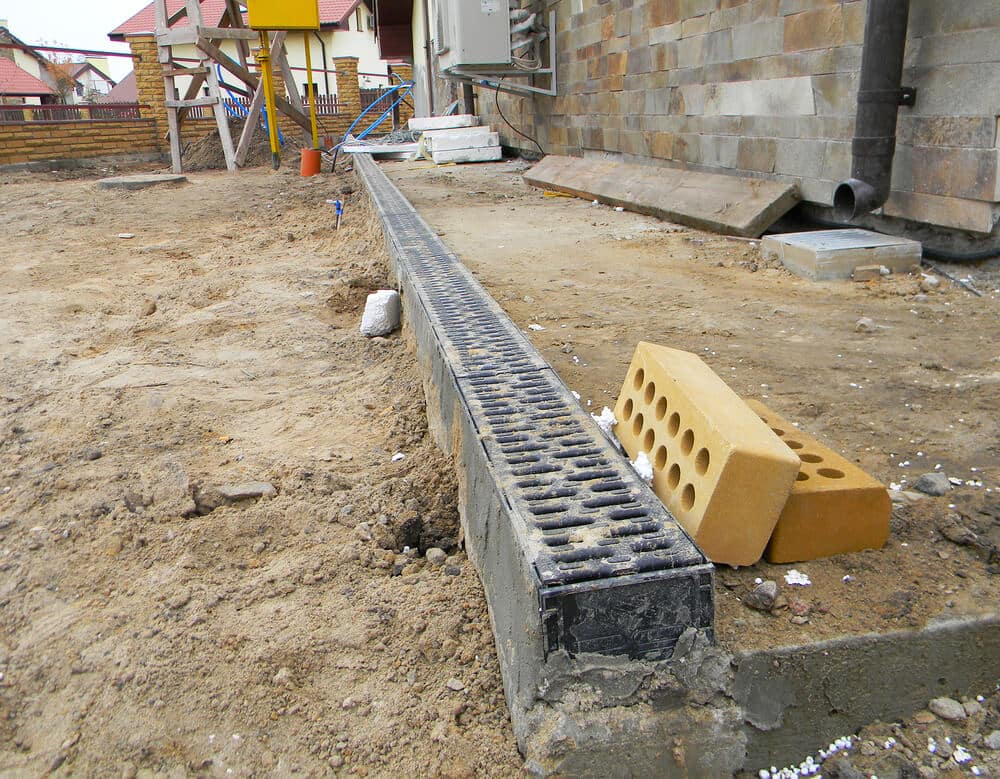
Shallow ditches or swales guide runoff on sloped areas, while slot drains, catch basins, and trench drains help move water away from paved spaces. Proper grading is also vital to direct water away from buildings and avoid standing water damage. In New Orleans, where many properties have minimal slope, even small grading adjustments can make a significant difference in how effectively water moves away from your home.
-
Subsurface Systems
A subsurface drainage system moves water beneath the soil’s surface to prevent buildup around the foundation. A French drain, which uses a gravel trench and perforated pipe, directs groundwater away from the house. French drains are one of the most common and effective drainage solutions for New Orleans homes because they work well even with the city’s high water table.
Sump pumps also remove excess water from basements and crawl spaces, especially when paired with perforated pipes. In the Greater New Orleans area, many homes rely on sump pumps as a secondary defense alongside the city’s municipal pump system. Together, these systems help control groundwater flow and protect the home’s foundation from erosion and infiltration.
The Unseen Influence

Quality drainage happens to be one of those overlooked considerations in house building, sending ripples far beyond the lot.
Just as we don’t build a house with no foundation, we do not want to design an energy strategy without addressing those things that will be unseen effects: soil conditions, climate, subterranean water flow, and environmental footprint.
Soils and Geology
Different soils have different drainage types and have various effects on drainage. Understanding this is very helpful:
- Sandy Soil: Excellent for draining
- Clay Soil: Bad drainage, holds a large amount of water
- Loamy Soil: Balanced on both drainage and retention
- Silty Soil: Slowly draining and compacted
Most of New Orleans sits on heavy clay and alluvial soil deposited by the Mississippi River. This soil type holds water, compacts over time, and contributes to the subsidence (gradual sinking) that affects many neighborhoods like Lakeview, Gentilly, and parts of Mid-City. Effective drainage stabilizes the ground. Sandy soil may not need layered gravel, but clay-heavy ground, like what most New Orleans properties have, needs subsurface drains to prevent saturation and foundation issues.
Climate and Weather
Climate and weather play a major role in how well your drainage system works. Rain and seasonal changes affect how your drainage system performs. Downspouts should extend four to six feet from the foundation to prevent pooling.
New Orleans receives an average of 64 inches of rain per year, with the heaviest periods from June through September. Tropical storms and hurricanes can dump 10 or more inches in a single event, overwhelming systems that are not properly sized. In this climate, systems like French drains and sump pumps are vital for managing excess water and preventing soil erosion or foundation damage. Big Easy Contractors designs drainage systems specifically for Southeast Louisiana conditions, accounting for local rainfall patterns and soil behavior.
Get The Right Drainage For Your Home With Us
Effective drainage protects your home and improves its value by preventing water damage to foundations, walls, and landscapes. A good design minimizes maintenance and is less likely to need costly repairs. All system components work to keep your property safe and dry, including gutters and grading.
We focus on thoughtful design and quality craftsmanship in drainage solutions. Whether you need a quick fix or a complete installation, we’re here to help. Contact us at Big Easy Contractors to discuss your project and build a solution for your home’s future. Call (504) 475-2004 to schedule your consultation.