
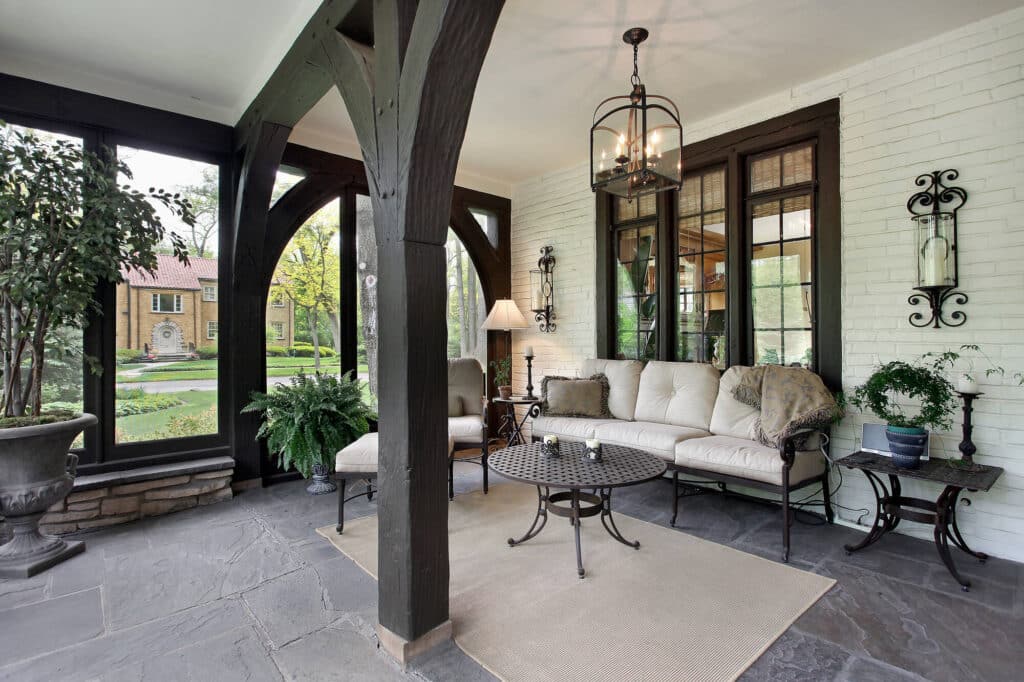
Choosing the right materials for a home renovation requires balancing durability, cost, and style while considering maintenance and environmental impact. In New Orleans, you also need to account for high humidity, termite pressure, and hurricane-force winds. Key steps include researching options, setting a strict budget, testing samples in your home’s lighting, and consulting professionals to ensure materials are suitable for Louisiana’s subtropical climate and local building codes.
When it comes to home renovation materials, quality matters. Hardwood flooring, ceramic tile, and low-e windows deliver lasting durability and timeless appeal that can increase your home’s value. For budget-conscious homeowners, luxury vinyl plank and laminate offer excellent performance at a lower price point. In the New Orleans area, moisture-resistant materials are especially important because of the region’s high water table and year-round humidity.
At Big Easy Contractors, we guide New Orleans homeowners through every material decision to ensure your renovation meets your goals, style, and budget. Contact us today!
How to Choose Renovation Materials
Selecting the right renovation materials means balancing design, functionality, cost, and durability. Here’s a step-by-step approach to making smart choices.
1. Define Your Vision
Start by envisioning the appearance you want and the impression your space should make. Your material choices should align with this imagined style. Browse design magazines, explore Houzz, or visit local showrooms for inspiration.
Ensure your materials complement your home’s architecture. A contemporary home with a streamlined design works well with modern materials like glass or polished concrete. In contrast, many homes in the Garden District and Uptown feature historic architectural details that pair best with classic materials like cypress wood, natural slate, or traditional brick. If your home falls within a local historic district, the Historic District Landmarks Commission (HDLC) may have specific material requirements for exterior renovations.
2. Assess Your Lifestyle
Your lifestyle plays an important role in material selection. If you have young children or pets, prioritize durability and stain resistance by selecting materials like engineered wood or ceramic tile for high-traffic spaces. Empty nesters might prefer upscale, low-maintenance options such as quartz countertops or luxury vinyl planks. In New Orleans, also consider how materials hold up against humidity. Solid hardwood can warp in poorly ventilated spaces, making engineered wood or tile a smarter choice for ground-floor rooms.
3. Set Your Budget

Establish a solid budget that covers materials, labor, and a contingency fund for unexpected expenses (typically 10-20% of the total project cost). Research prices to understand typical price ranges. Materials generally account for 30-40% of a renovation budget, with labor making up the larger share at 50-65%. For example, laminate countertops cost significantly less than granite but don’t offer the same durability or resale value.
4. Evaluate Durability
For flooring, choose hardwood, luxury vinyl, or ceramic tiles, all proven to withstand years of use. For countertops, granite and quartz resist scratches and stains better than most alternatives. Avoid softwoods or low-quality composites in high-traffic areas. In Louisiana, termite resistance is a critical factor. Pressure-treated lumber, naturally resistant species like cypress, and borate-treated wood help protect your investment from the Formosan subterranean termites that are widespread across the Greater New Orleans area.
5. Consider Maintenance
Maintenance requirements directly affect a material’s lifetime performance. Bathrooms and kitchens benefit from easy-to-clean surfaces like quartz and ceramic tile. Some materials, such as natural marble or unsealed wood, require regular sealing or special care that may not suit every homeowner’s routine. In New Orleans’ humid climate, materials that resist mold and mildew with minimal upkeep, like porcelain tile and composite decking, are particularly practical.
Balancing Style and Substance
When remodeling, you need to strike a balance between aesthetics and practicality. Every material choice should account for durability, maintenance needs, and how the material will age over time.
Function First
In high-traffic areas, functionality is paramount. For bathrooms and kitchens, opt for water-resistant finishes like quartz countertops and ceramic tile, as both offer stain resistance and waterproof protection. In living rooms and hallways, laminate and engineered hardwood floors resist scratches and withstand foot traffic from children and pets.
Aesthetic Appeal
Thoughtful combinations of colors, finishes, and textures elevate a room’s visual appeal. In kitchens, stainless steel appliances coordinate well with chrome or stainless steel hardware for a cohesive look.
Mixing metals is now an accepted design practice, so brushed nickel or even brass accents can also work when balanced intentionally throughout the space. Unique materials like reclaimed wood and natural stone add character, especially when used as accents such as a feature wall or island countertop. In New Orleans, reclaimed cypress and antique brick are locally sourced options that tie a renovation to the city’s architectural heritage.
Timeless vs. Trendy
Classic choices like hardwood flooring or neutral tile remain functional and appealing to future buyers. Trendy options, such as bold accent wallpaper or colorful tile backsplashes, add personality but should be limited to smaller areas since remodeling trends can shift quickly.
Beyond the Surface: Health, Acoustics, and Psychology
Selecting the right materials goes beyond appearance. Your choices affect your home’s health, comfort, and overall livability.
Health Impact

Poor material choices can negatively affect indoor air quality. Avoid materials that off-gas toxins, such as formaldehyde found in certain pressed woods and adhesives. Choose sustainable finishes and low or zero-VOC (volatile organic compound) paints that minimize harmful emissions.
These paints release fewer chemicals into the air, reducing indoor air pollution and creating a healthier living environment. In New Orleans, where homes are often closed up with air conditioning running for months, low-VOC options are especially important for maintaining good indoor air quality.
Acoustic Quality
Soundproofing provides a valuable layer of comfort, particularly in busy family homes or urban settings like the French Quarter and Marigny. Acoustic panels and thicker insulation help absorb sound and reduce transmission between rooms and from outside.
Carpets and large area rugs reduce echoes in open-plan layouts, while double-glazed windows effectively minimize exterior noise by creating an air barrier between glass panes.
Psychological Feel
The materials in a space influence its emotional atmosphere. Warm wood tones and natural stone create a welcoming, cozy environment. Reflective surfaces like glass and polished tiles brighten small spaces and create an illusion of more room.
Renovation With Lasting Results
Thoughtful material selection directly impacts the appearance, functionality, and durability of your renovated space. Take your time comparing options and consulting with professionals. A well-informed choice reveals its value for years to come.
Ready to start your New Orleans home renovation? Contact Big Easy Contractors today. Our experienced team will guide you toward the right materials for your project, budget, and lifestyle. Call (504) 475-2004 for your free estimate!
Frequently Asked Questions
What are the most durable flooring materials for homes with pets?
Luxury vinyl plank (LVP), ceramic tile, and laminate flooring are the most pet-friendly options due to their scratch resistance, waterproof properties, and easy maintenance. Engineered hardwood with a scratch-resistant aluminum oxide finish can also work well, especially for smaller or less active pets. Look for flooring with a high AC (abrasion class) rating of 4 or 5 for maximum durability.
How much should I budget for renovation materials?
Material costs typically represent 30-40% of your total renovation budget, with labor accounting for the larger portion at 50-65%. Always include a 10-20% contingency fund for unexpected expenses or upgrades.
What does VOC mean in paints?
VOC stands for Volatile Organic Compounds, which are chemicals that evaporate at room temperature and can affect indoor air quality. Low-VOC paints contain fewer than 50 grams per liter, while zero-VOC paints contain fewer than 5 grams per liter. These paints release fewer harmful emissions, making them healthier choices for interior spaces.
Which countertop material offers the best value?
Quartz offers an excellent balance of durability, aesthetics, and low maintenance. It is non-porous and does not require sealing, unlike natural stone options such as granite and marble. While quartz costs more than laminate, it resists stains and scratches and maintains its appearance for decades with minimal care.
What materials work best for renovations in humid climates like New Orleans?
Moisture-resistant materials like porcelain tile, luxury vinyl plank, engineered hardwood, and composite decking perform well in high-humidity environments. For framing and structural elements, pressure-treated lumber or naturally resistant species like cypress help prevent termite damage and wood rot. Mold-resistant drywall and low-VOC finishes also support healthier indoor environments in humid regions.