
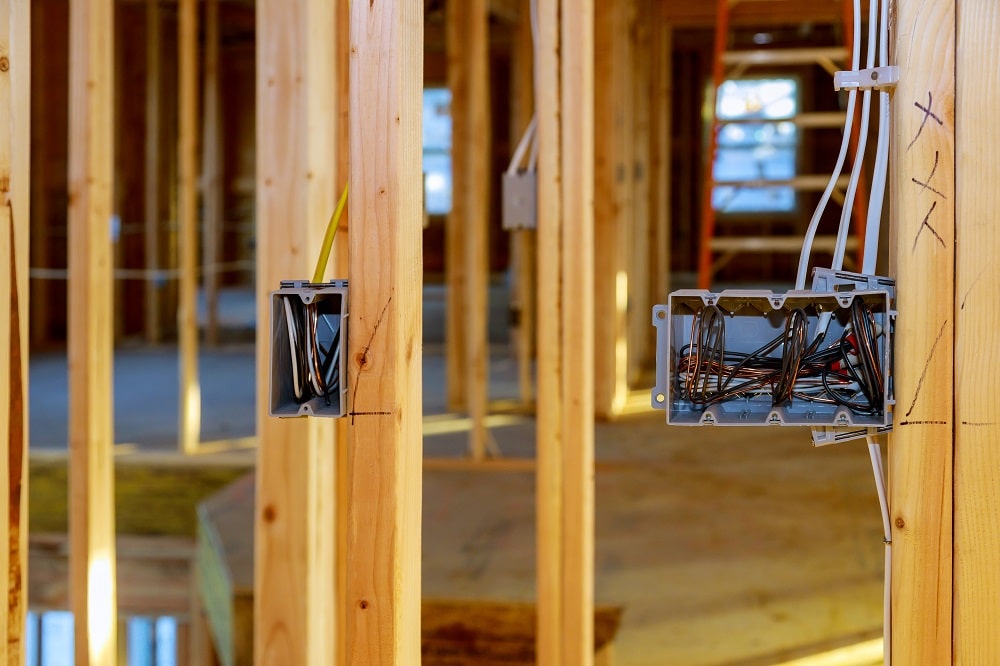
Planning home automation during construction requires designing a detailed, hardwired infrastructure—specifically, installing Cat6a Ethernet cable to all potential device locations and using Conduit for easy upgrades.
Planning for home automation during construction is one of the smartest decisions a homeowner can make. According to Precedence Research, the global smart home market was valued at over $127 billion in 2024 and is projected to grow nearly 1,000% by 2034.
More than 45% of internet-connected U.S. households already own at least one smart device, and the new construction segment is expected to grow at the fastest rate of any market category through 2030. Getting the infrastructure right while walls are still open saves thousands of dollars and years of headaches.
Big Easy Contractors is a locally owned general contractor serving New Orleans and the surrounding areas, offering everything from renovation and HVAC to lighting and custom construction.
If you are building or renovating and want to talk through your smart home options, contact us today for a free estimate.
Why Should You Plan for Home Automation Before Construction Begins?
 Planning home automation before construction begins is far less expensive than retrofitting later. Once drywall is closed, adding a single network drop can cost $100 to $400 per location according to Angi, and those costs multiply fast across whole-home audio, security cameras, and multi-zone lighting.
Planning early also gives you design flexibility. You can decide where control panels, access points, and equipment racks will live before any finishes go in, producing a cleaner result without the unsightly conduit runs that come with afterthought installations.
On top of that, smart home infrastructure adds real resale value. Installing smart devices and the wiring to support them can increase a home’s resale value by approximately 5%, according to The CE Shop, making the upfront investment one that pays off over time.
Please note: The prices in this article are estimates only, shared to help you plan. Your actual cost depends on your property, the materials and the size of the job. For pricing on your project, call Big Easy Contractors for a quote.
What Infrastructure Does a Smart Home Need During the Build?
A smart home needs four core infrastructure components installed during rough-in: structured cabling, a centralized distribution point, conduit for future flexibility, and neutral wires at every switch location. Without these four elements in place before drywall, every future upgrade becomes a retrofit project.
Structured Cabling and a Central Distribution Point
Structured cabling starts with CAT6 cable runs to every room. CAT6 supports gigabit internet speeds and provides the bandwidth backbone that smart lighting hubs, security cameras, smart speakers, and thermostats all rely on.Each run should terminate at a central wiring closet or structured media center, which acts as the nerve center for the home’s network and automation systems.
Conduit for Future Flexibility
Conduit is just as important as the cabling itself. Flexible conduit in key wall cavities allows for future cable upgrades without any demolition. As smart home standards evolve, including the Matter protocol now supported by Apple, Google, and Amazon, having accessible pathways keeps your home adaptable without a major teardown.
Neutral Wires at Every Switch Location
Neutral wires at switch locations are a small but critical detail. Most smart switches and dimmers, including those compatible with Z-Wave and Zigbee protocols, require a neutral wire to function. Traditional switch wiring often omits the neutral, which means a full re-wire is needed later if it was not included during the original build.
Which Smart Home Systems Should You Prioritize First?
Security and access control, smart lighting, HVAC automation, and structured audio are the four systems that require the most pre-wired infrastructure and should be prioritized at the planning stage. Each of these depends on decisions made during framing that cannot be easily changed after the fact.
Security and Access Control
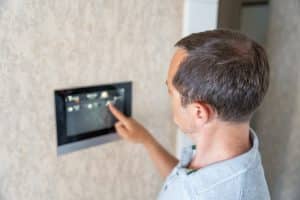 Security systems, including video doorbells, outdoor cameras, and smart locks, need pre-run low-voltage wiring to every camera location and door entry point. Trying to run these cables after drywall is one of the most disruptive retrofit jobs in home technology. Planning camera placements on the blueprint and running wires before insulation goes in takes a fraction of the time and cost.
Smart Lighting
Smart lighting systems require decisions about switch placement, neutral wire availability, and whether you want hardwired keypads or wireless controls. Pairing smart switches with your lighting design during construction allows for clean, in-wall installation that looks purpose-built rather than added on.
HVAC Automation
For HVAC automation, multi-zone control systems need dedicated low-voltage thermostat wiring at each zone, plus consideration for where smart sensors and dampers will be located inside the ductwork. According to ENERGY STAR, a certified smart thermostat saves approximately 8% on heating and cooling bills, or about $50 per year, which adds up quickly over the life of the home.
Whole-Home Audio and Home Theater
Whole-home audio and home theater infrastructure, including in-ceiling speaker runs and HDMI conduit for media rooms, are nearly impossible to add cleanly once ceilings are finished. Marking speaker locations and pulling speaker wire during rough-in takes less than a day and eliminates a major retrofit headache later.
How Do You Future-Proof Smart Home Wiring During the Build?
Future-proofing comes down to three practices: run conduit in key pathways, add extra cable runs beyond what you need today, and install a dedicated equipment rack or wiring closet. These three steps cost little during construction but give you maximum flexibility as technology changes.
Here is what each of those looks like in practice:
- Extra CAT6 Runs: Pull cable to every room, even those where you have no immediate plans. Network drops are cheap to add during rough-in and expensive to add later. Running two cables where you only need one today costs almost nothing in labor at the framing stage.
- Central Wiring Closet: Installing a dedicated wiring closet with a small equipment rack gives your router, network switches, and automation hubs a permanent home. It keeps everything organized and accessible for future upgrades without digging through walls or crawl spaces.
- Fiber-Optic Conduit Sleeve: Running a conduit sleeve alongside your CAT6 pulls gives you the pathway to add fiber later without disturbing any finished surfaces. As streaming, remote work, and connected devices continue to multiply in the average household, that pathway will likely come in handy.
- Trade Coordination: Coordination between your general contractor, electrician, and any technology integrator is where most smart home builds succeed or fall short. All three trades need to be on the same page during the framing walkthrough. A general contractor experienced in residential renovation and new construction can help coordinate that communication before the first wire is pulled.
What Should You Ask Your Contractor Before Breaking Ground?
Ask your contractor four specific questions at the design phase: where the structured cabling distribution point will be located, whether neutral wires will be included at every switch, how conduit will be used for future cable routing, and which trade will be responsible for low-voltage pre-wire.
Ask the Right Questions Early
These questions force the right conversation before the schedule is set. Many general contractors are comfortable coordinating low-voltage pre-wire alongside standard electrical work, but only if it is discussed upfront. Once a framing crew moves off-site and insulation begins, the window to address these items cheaply closes fast.
Request a Rough-In Walkthrough Before Drywall
 Ask for a walkthrough before drywall goes up. Walk every room with your contractor and confirm that each pre-wire location has been addressed. This is also the right time to verify conduit runs, check that speaker wire is looped and stapled correctly, and confirm that all cable runs are labeled at the termination point.
Coordinate With Other Trade Schedules
Getting this conversation started early, at the same time you are finalizing lighting plans, fixture locations, and HVAC zone layouts, keeps everything coordinated and avoids the expensive rescheduling that comes from catching omissions too late.
Start Your Smart Home Right With Big Easy Contractors
Building a smart home the right way starts with getting the infrastructure right during construction. Pre-wiring for automation, planning structured cabling, and coordinating all trades early produces a home that is ready for today’s technology and adaptable for whatever comes next.
Big Easy Contractors is your one-stop general contractor in New Orleans, helping homeowners plan and build smarter from day one.
Call us today for a free consultation and let our team help you map out your smart home infrastructure before the first wall goes up.
Frequently Asked Questions
When is the best time to plan home automation during a construction project?
The best time is during the design phase, before framing begins. Decisions about conduit routing, switch placements, and cabling infrastructure need to be made before walls are framed and insulated. Waiting until after drywall significantly increases both cost and labor time.
How much does it cost to pre-wire a home for automation during construction?
Pre-wiring a home for smart automation during construction typically adds $2,000 to $6,000 depending on home size and the number of systems planned. This is considerably less than a retrofit, which can cost two to three times more once walls are finished.
What type of cable is best for smart home infrastructure?
CAT6 cable is the standard for most smart home applications, supporting gigabit speeds and future bandwidth needs. For homes with advanced demands, CAT6A or fiber-optic conduit sleeves can be added to accommodate higher-performance upgrades down the road.
Can a general contractor handle smart home pre-wiring coordination?
Yes. An experienced general contractor can coordinate low-voltage pre-wiring alongside standard electrical rough-in by scheduling the right trades at the right phases. Clear communication at the framing walkthrough is the key to keeping everything on track.
Do smart home devices require special electrical wiring?
Most smart switches and dimmers require a neutral wire, which is not always included in standard switch wiring. Confirming neutral wires are run at every switch location during rough-in is one of the most important smart home planning steps.
Is smart home wiring worth it for a home in New Orleans?
Yes. New Orleans homes can benefit from smart HVAC zoning to manage humidity and energy costs, smart security for added protection, and automated lighting for both convenience and energy savings. Pre-wiring during construction or major renovation makes all of these systems more affordable and cleaner to install.
What is the Matter protocol and should I plan for it?
Matter is an open-source smart home connectivity standard backed by Apple, Google, Amazon, and hundreds of device manufacturers. It allows products from different brands to work together on the same network. Planning for Matter-compatible infrastructure, including strong Wi-Fi coverage and CAT6 backbone cabling, ensures your home will work with current and future Matter-certified devices.